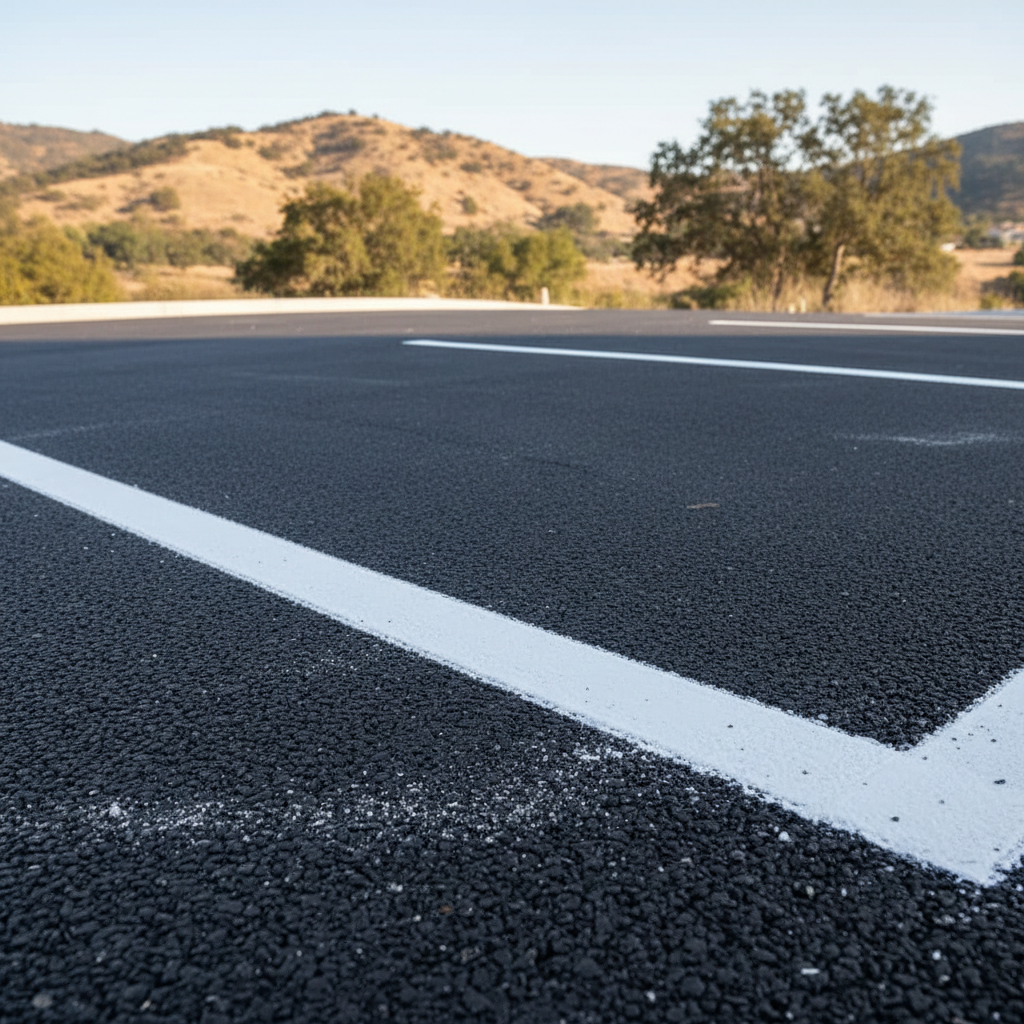
Ever looked at your driveway or a small parking area and thought, "I could probably stripe that myself"? It's a common thought, especially for homeowners wanting to spruce things up. And you know what? For some smaller jobs, you absolutely can. But for others, you're better off leaving it to someone who does this day in and day out. Let's break down what you need to know before you grab that paint sprayer.
Before You Start: Planning & Prep
First things first, what are you striping? A single driveway? A small two-car parking pad? Or are we talking about a shared access road in a small condo complex near Lake Murray? The scale of the job really dictates whether it's a DIY project or not.
If it's just your personal driveway, maybe you want to mark where cars should park, or delineate a basketball court. That's totally doable. But if you're thinking about handicap spaces, fire lanes, or complex traffic flow for a commercial property, stop right there. Those require specific regulations, measurements, and often stencils that aren't worth buying for a one-off job. Plus, getting those wrong can lead to fines or accessibility issues, and that's a headache you don't need.
For a DIY job, you'll need to clean the asphalt. Seriously, don't skip this. Sweep off any loose debris, dirt, leaves. If you've got oil spots or stubborn grime, you'll need to scrub those clean with a degreaser and rinse thoroughly. Paint won't stick to dirty or oily surfaces, and you'll end up with peeling lines in no time. Make sure the surface is completely dry before you even think about painting.
Next, measure and mark. You'll want chalk lines, a measuring tape, and maybe some string to keep things straight. Don't just eyeball it. A crooked line screams amateur, and once it's down, it's a pain to fix. Decide on your line width – typically 4 inches is standard for parking lots. You can buy specific striping tape or just use painter's tape to create crisp edges if you're brushing or rolling.
During the Project: Tools & Technique
For DIY, you've got a few options for applying the paint. For simple, straight lines on a small area, a roller with a narrow nap or even a brush can work. This is best for very short lines or stenciling numbers. It's slow, but it gives you control.
If you're doing anything more than a couple of short lines, you'll want a walk-behind striping machine. You can often rent these from equipment rental places in San Diego County. They're basically specialized paint sprayers on wheels, designed to lay down consistent, straight lines. They're a game-changer compared to trying to freehand with a spray can. Make sure you get paint specifically designed for asphalt striping. It's more durable and formulated to adhere to pavement. Don't just grab a can of house paint from Home Depot; it won't last.
When you're actually striping, take your time. Go slow and steady. If you're using a machine, practice on a piece of cardboard or an inconspicuous spot first to get a feel for the spray pattern and speed. Overlap your passes slightly to ensure full coverage, but don't go too thick or it'll take forever to dry and might peel later. Remember, a little bit of San Diego sun will help it cure, but too much heat can make the paint dry too fast and cause issues.
After You're Done: Curing & Maintenance
Once you've laid down your beautiful new lines, the most important thing is to let them cure. This isn't like painting a wall. Asphalt striping paint needs time to harden completely. The manufacturer's instructions on the paint can will tell you the exact drying time, but generally, you're looking at a few hours before it's tack-free and at least 24-48 hours before it's safe for vehicle traffic. Don't let anyone drive on it prematurely, or you'll have tire marks and smudges that are impossible to remove.
To protect your fresh striping, you can put up cones or barricades. If you're in an area with a lot of foot traffic, like a small business lot in the La Mesa Village, you might even want to rope it off. Once it's cured, your new lines should hold up well, especially if you prepped the surface correctly.
Keep an eye on your striping over time. Depending on traffic, weather, and the quality of paint, it'll eventually fade. When you see it starting to look dull or worn, that's your cue to re-stripe. Usually, a good striping job will last a few years before needing a refresh. Regular cleaning of your asphalt can also help preserve the lines.
Now, when should you call a pro like La Mesa Diamond Asphalt? Anytime you're dealing with more than a few simple lines. If it's a large area, involves complex layouts, stenciling for specific regulations (like ADA compliance), or if you just don't want to deal with renting equipment and spending your weekend on it, give us a call. We've got the specialized equipment, the right paint, and the experience to get it done efficiently and correctly. You'll save yourself time, frustration, and ensure a professional, long-lasting result. Sometimes, peace of mind is worth more than a DIY project.