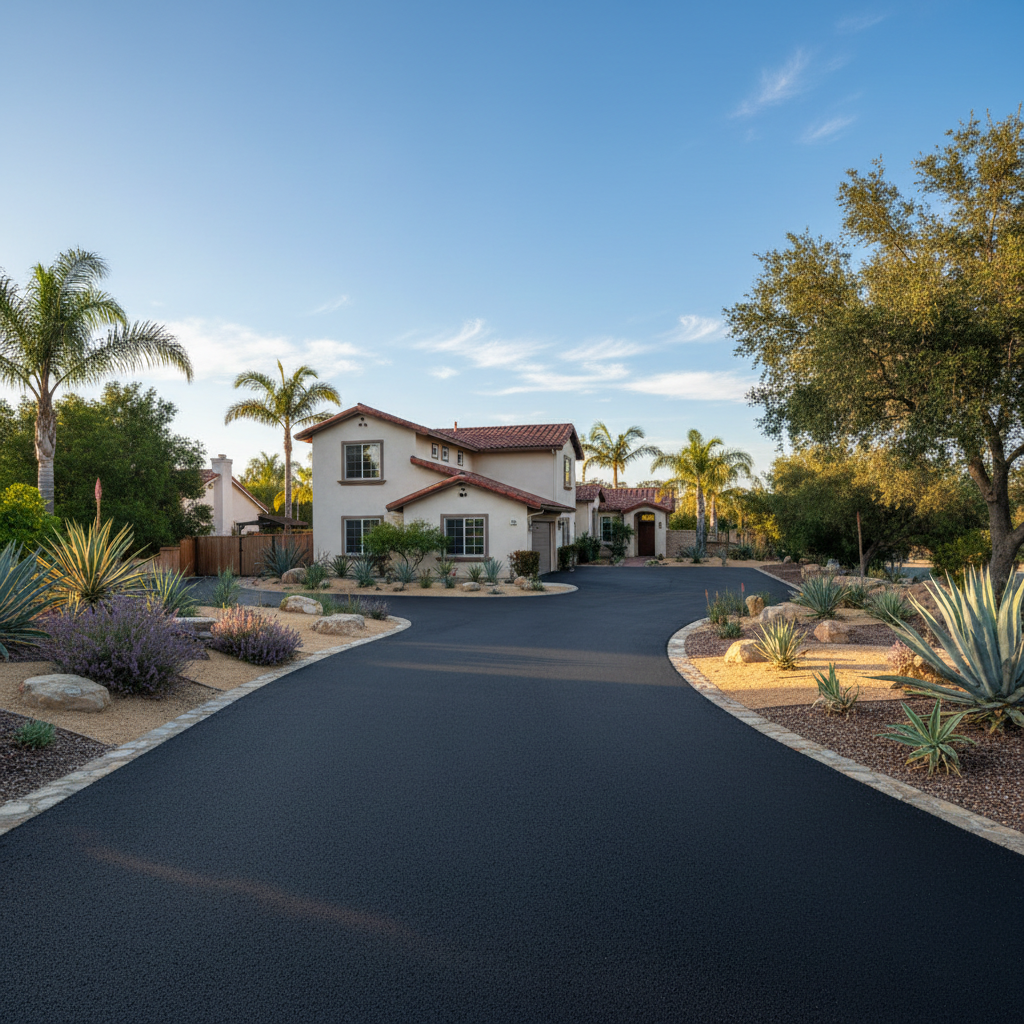
You're looking at your driveway, maybe it's cracked, faded, or just plain old. You know it's time for new asphalt, but you're probably wondering, "When's the best time to get this done?" That's a smart question, and it's one I get all the time here at La Mesa Diamond Asphalt.
Paving isn't just about showing up with a truck and a crew. The weather plays a huge role in how well your new asphalt sets up and how long it lasts. Here in La Mesa, we've got a pretty sweet climate, but even our mild weather has its quirks when it comes to asphalt.
The Best Time to Pave in La Mesa
For asphalt paving, temperature is king. You want warm, but not scorching hot. You also want dry. That's why our spring and fall are usually prime time.
- Spring (March - May): This is often ideal. The ground has warmed up from any winter chill, but we're not yet into the intense heat of summer. We usually get a good stretch of dry days, and the ambient temperature is perfect for the asphalt mix to be laid and compacted correctly. It cures beautifully.
- Fall (September - November): Similar to spring, fall offers those Goldilocks conditions – not too hot, not too cold. The ground is still warm from summer, and the air temperatures are moderate. We usually see less rain than in winter, making it another excellent window for paving projects.
These seasons allow the asphalt to cool and harden at a controlled rate. If it cools too fast, it can become brittle. Too slow, and it might not compact properly, leading to issues down the road.
Weather Conditions That Affect Paving
Beyond just the season, specific weather conditions on the day of the job are critical. We're always watching the forecast like hawks.
- Temperature: We really need the air temperature to be consistently above 50°F, and ideally, between 60°F and 85°F. This ensures the asphalt mix stays pliable enough to work with and compact properly. If it's too cold, the asphalt cools too quickly, making it hard to get a smooth, dense finish. If it's too hot, especially on a blazing August afternoon, the asphalt can be too soft, making it difficult to compact effectively without pushing it around.
- Rain: This is a big no-no. You absolutely cannot pave on a wet surface or when rain is expected. Water interferes with the bonding process of the asphalt layers and can lead to premature failure. We need a dry sub-base and a dry surface to ensure proper adhesion and compaction. Even a light drizzle can ruin a job.
- Humidity: While not as critical as temperature or rain, very high humidity can slightly slow down the curing process. It's usually not a deal-breaker in La Mesa, but it's something we consider.
So, if you're thinking about getting your driveway done in the middle of a January cold snap or during a summer heatwave with a chance of thunderstorms, we'll probably advise against it or suggest rescheduling. It's not about being difficult; it's about making sure your investment lasts.
Protecting Your Asphalt Investment Year-Round
Once you've got that beautiful, fresh asphalt, you want to keep it looking good and performing well for years. Here's how:
- Sealcoating: This is your asphalt's sunscreen and rain jacket. I recommend sealcoating every 2-3 years, depending on traffic and sun exposure. It protects against UV rays, water penetration, and oil spills. Our La Mesa sun, especially in neighborhoods like Mount Helix, can be intense, so sealcoating is extra important here.
- Crack Filling: As soon as you see a crack, get it filled. Cracks are like open invitations for water to get under your asphalt, freeze (rarely here, but it can happen with cold snaps), expand, and cause bigger problems like potholes. Catching them early saves you a lot of money.
- Drainage: Make sure water drains off your asphalt properly. If you have standing water, it's going to degrade your surface much faster. Sometimes, a simple fix to a landscape issue can prevent major asphalt damage.
- Avoid Heavy Loads: Try not to park heavy RVs or commercial trucks on your residential driveway for extended periods. Asphalt is flexible, but concentrated heavy loads can cause depressions or cracking over time.
- Clean Spills Promptly: Oil, gas, and other automotive fluids can break down the asphalt binder. Clean them up as soon as you can.
Taking care of your asphalt isn't rocket science, but it does require a little attention. By choosing the right time for installation and following these maintenance tips, you'll extend the life of your driveway significantly. If you've got questions about your specific paving project or just want an assessment, don't hesitate to give us a call. We're always happy to share what we know.