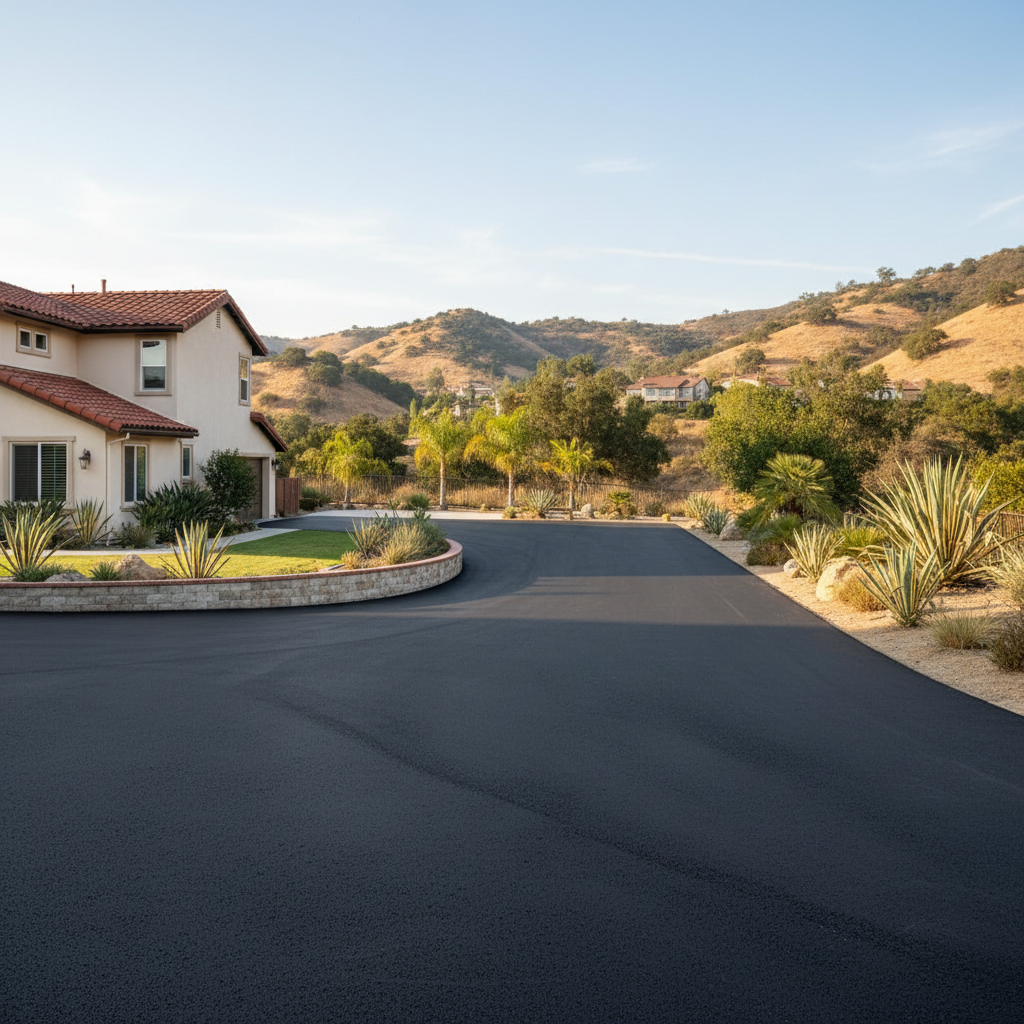
When's the best time to get your commercial asphalt work done here in La Mesa? That's a question I hear a lot, and for good reason, too. Our local climate, while usually pretty pleasant, has some specific quirks that really impact how well asphalt goes down and how long it lasts. You can't just pick any old day; you really have to think about the weather.
Understanding La Mesa's Climate for Asphalt
Here in La Mesa, we don't get those extreme freezes you see further inland, but we certainly have our hot summers and a distinct rainy season. Both of these play a huge role in how we approach asphalt paving and repair. At its core, asphalt is a mix of aggregates and a binder (bitumen). Temperature directly affects that binder's viscosity – basically, how easily it flows and compacts.
Think about it for a second: if it's too cold, the asphalt mix cools down way too fast. This makes it stiff and tough to compact properly. What you end up with is a less dense, weaker surface that's much more likely to crack. On the flip side, if it's too hot, especially during our typical La Mesa summer heat waves where temperatures can easily hit the high 90s, the asphalt stays too soft for too long. This can cause issues like rutting or shoving under heavy traffic before it's even fully cured. Plus, working in that kind of heat? It's just brutal for the crew, and it can definitely affect the quality of the work.
Rain is another big one. You absolutely cannot pave over wet ground. Moisture trapped underneath can cause all sorts of problems down the line, leading to premature cracking, potholes, and sometimes even a complete failure of the sub-base. It's like trying to build a house on quicksand, you know? It's just not going to work.
The Ideal Window: When to Schedule Your Work
Based on what I've seen over the years, the sweet spot for most commercial asphalt projects around here is usually spring or fall. That's when we get those consistent, moderate temperatures – typically somewhere between 60 and 85 degrees Fahrenheit – and usually less chance of unexpected rain. This allows the asphalt to be laid and compacted at the absolute best temperature, ensuring you get a strong, durable surface.
- Spring (March to May): The ground has dried out from any winter rains, and temperatures are steadily rising but haven't gotten scorching yet. It's a prime time for new installations or major overlays.
- Fall (September to November): After the summer heat finally breaks, you get another good window. The ground is still warm, which really helps with bonding, and the air temperatures are comfortable for both the material and the crew.
- Summer (June to August): It's certainly doable, but you've got to be smart about it. We often schedule work for early mornings to beat the worst of the heat. Smaller repairs or sealcoating might be fine, but a large paving job needs careful planning to avoid those peak temperatures.
- Winter (December to February): This is generally the toughest time for paving. While we don't get snow, the increased chance of rain and cooler temperatures make it less than ideal for laying new asphalt. Emergency repairs? Sure. But major projects? Best to wait.
For something like sealcoating, you also need dry conditions and temperatures above 50 degrees for a few days to allow proper curing. You really don't want to apply it right before a cold snap or a rainstorm.
Protecting Your Investment Year-Round
Once you've got a great asphalt surface, you'll want to keep it that way. It's a significant investment for any business, whether it's a small parking lot in La Mesa Village or a larger industrial area near the 8 freeway. Here's how you protect it:
- Regular Inspections: Walk your property. Look for small cracks, potholes, or areas where water is pooling. Catching these issues early is always cheaper than waiting for them to become big problems.
- Crack Sealing: This is your first line of defense. Cracks are like open doors for water to get into your asphalt's base layer. Seal them up, and you prevent a lot of headaches. We recommend doing this annually or biannually, depending on traffic and how quickly cracks develop.
- Sealcoating: Think of it as sunscreen for your asphalt. It protects against UV rays, oxidation, and chemical spills (like oil and gas). It also brings back that rich black color, making your property look well-maintained and inviting. For commercial properties, every 2-4 years is a good general guideline, but it really depends on traffic volume and wear.
- Proper Drainage: Make sure your storm drains are clear and that water isn't just sitting on your asphalt. Standing water is a killer for pavement. If you've got low spots that collect water, those absolutely need to be addressed.
- Prompt Repairs: Don't let a small pothole turn into a crater. As soon as you see damage, get it fixed. Potholes grow quickly, especially with vehicle traffic and our occasional heavy downpours.
At La Mesa Diamond Asphalt, we've been working with businesses around here for years, and we know exactly what our local conditions demand. If you're wondering about your commercial property's asphalt, don't hesitate to give us a call. We can assess your specific situation and recommend the best plan for keeping your pavement in top shape, no matter the season.