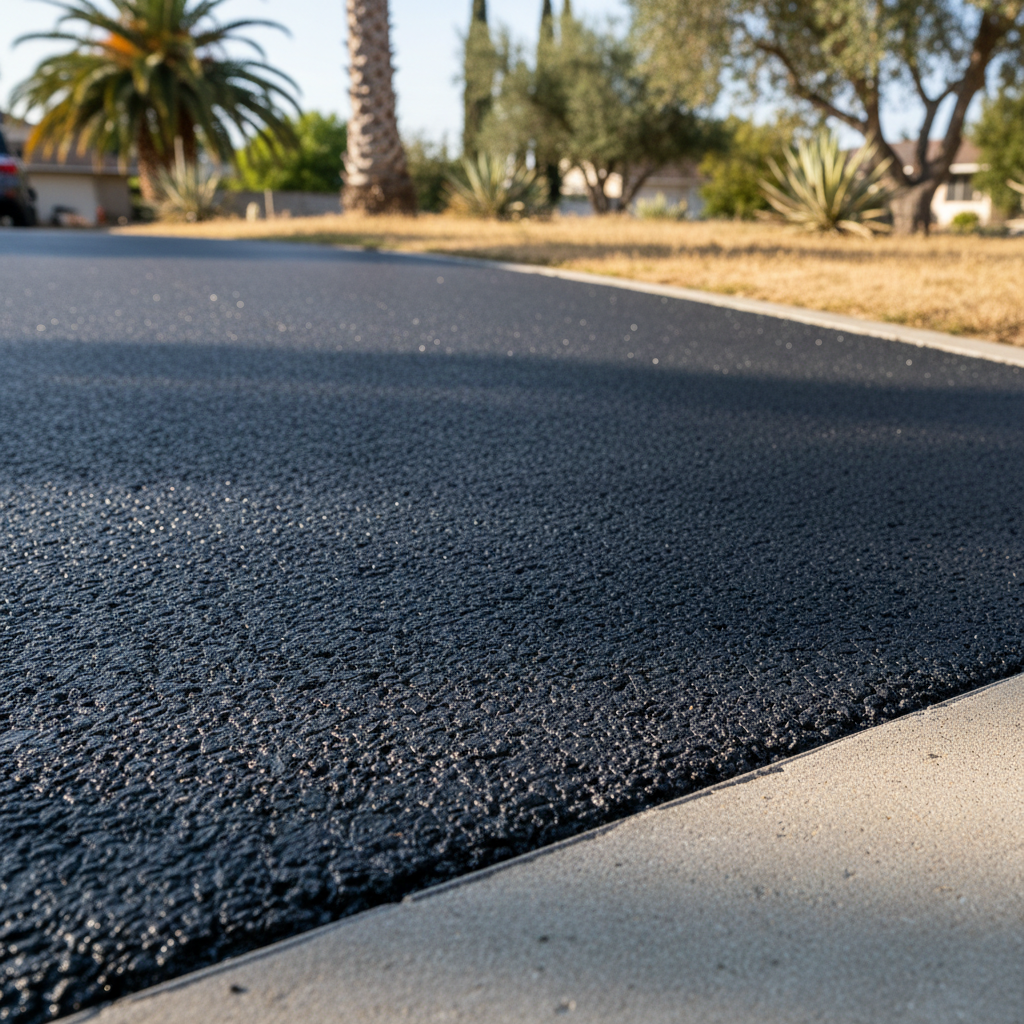
Alright, let's talk driveways. If you own a home in La Mesa, you know your driveway really takes a beating. Between that hot summer sun, the occasional heavy rains we get, and just the everyday wear and tear, it's bound to need some attention eventually. The big question I hear a lot is, "Can I just do this myself, or do I really need to call someone in?"
As the owner of La Mesa Diamond Asphalt, I've truly seen it all. There are definitely some things you can handle on your own. But then there are those jobs where trying to DIY will actually cost you more in the long run. Let's break down what you need to know before, during, and after a driveway paving project.
Before You Start: Planning & Permits
First things first, you can't just start tearing up your driveway without a solid plan. You've got to figure out what kind of material you want. Asphalt is pretty popular because it's usually more affordable upfront, and it handles temperature changes well—which is great for our climate here. Concrete, on the other hand, lasts a lot longer; we're talking 30-50 years with minimal upkeep. Plus, it can look really sharp. But, it's typically pricier to install.
Now, about permits. This is where a lot of folks get tripped up, and it's absolutely something you need to get right. If you're building a brand new driveway, making an existing one wider, or doing any major work that involves digging or changing the drainage, you'll probably need a permit from the City of La Mesa. This includes anything that touches the public right-of-way, like your driveway apron, curb, or sidewalk. Your contractor should be able to help you with this whole process, but it's good to know permits ensure your project meets all the local building codes and regulations.
Another thing to really think about, especially with our clay-heavy soils here in La Mesa, is proper grading and drainage. You definitely don't want water pooling on your driveway or, even worse, running towards your foundation. The city has specific standards for driveway slopes, and a good contractor will make sure your new driveway has just the right pitch to move water away.
During the Project: DIY vs. Pro Work
Here's where we get down to brass tacks on whether to DIY or hire a pro.
What You Can Realistically DIY
- Minor Crack Filling: Got small, narrow cracks? (I'm talking hairline or less than a quarter-inch wide.) You can grab some crack filler at a hardware store and tackle these yourself. Just clean out the crack, rinse it, let it dry completely, and then apply the filler. This is a temporary fix, sure, but it'll stop water from getting in and making things worse for a while.
- Small Pothole Patching: For very small potholes, you can use cold patch asphalt. It's not a permanent solution, but it can get you by in a pinch. Just remember, it's a patch, not a true repair of the underlying problem.
- Cleaning: Sweeping regularly, power washing (be careful with that!), and quickly cleaning up oil stains with degreaser or cat litter are all things you can—and really should—do.
When to Call a Professional (Most of the Time)
Look, for anything beyond those minor surface fixes, you really need to bring in the experts. Here's why:
- New Driveway Installation or Full Replacement: This is a massive job. It involves excavation, proper base preparation (which is absolutely crucial for how long it lasts), grading, and laying the material correctly. Professional crews have specialized equipment and the experience to do it right. Rushing the base prep can lead to cracks and premature failure, and nobody wants that.
- Resurfacing: If your driveway has widespread cracking or more than 25% surface damage, but the base underneath is still solid, resurfacing (which means laying a new layer over the old) can be a cost-effective option. However, this isn't a DIY job. It requires commercial-grade equipment for proper compaction and thickness.
- Extensive Damage or Structural Issues: Large areas of alligator cracking, multiple deep potholes, drainage problems, or sinking sections usually mean there's a serious issue with the base or sub-grade. Just patching the surface won't fix the root cause. You need a pro to assess the underlying problem and give you a lasting solution.
- Permit-Required Work: As I mentioned earlier, if permits are involved, it's usually because the work is complex and impacts public safety or infrastructure. A reputable contractor will handle the permits and make sure everything is compliant.
Most residential driveway paving jobs, even full replacements, can be done by a professional crew in just one to two days. But the whole process, including planning and curing, can stretch out from a few weeks to a few months.
After the Project: Maintenance is Key
Once your new driveway is in, you'll definitely want to protect that investment. Here's what you need to do:
- Curing Time: If you got an asphalt driveway, you can usually drive on it lightly within 24-48 hours, but it takes a couple of weeks to fully harden. Concrete needs even longer—up to a month to reach full strength, though you can often use it for light traffic after about a week. Don't park heavy vehicles on it during this time, okay?
- Sealcoating (for Asphalt): This is like sunscreen for your driveway. It protects against UV damage, water, and oils, and keeps it looking fresh. I recommend sealcoating every three to five years here in La Mesa, especially with our intense sun.
- Regular Cleaning: Keep it free of debris, sweep it often, and clean up spills quickly. This prevents stains and degradation.
- Monitor for Cracks: Even with a brand new driveway, keep an eye out for small cracks and address them promptly. Filling them early prevents much bigger problems down the road.
- Avoid Heavy Loads: Your residential driveway isn't really built for construction equipment or huge moving trucks. Try to keep exceptionally heavy vehicles off it.
A well-maintained driveway really boosts your home's curb appeal and prevents costly repairs down the line. While you can handle some minor upkeep yourself, for anything substantial, please don't hesitate to call a professional. At La Mesa Diamond Asphalt, we're always happy to give you an honest assessment and a fair quote.