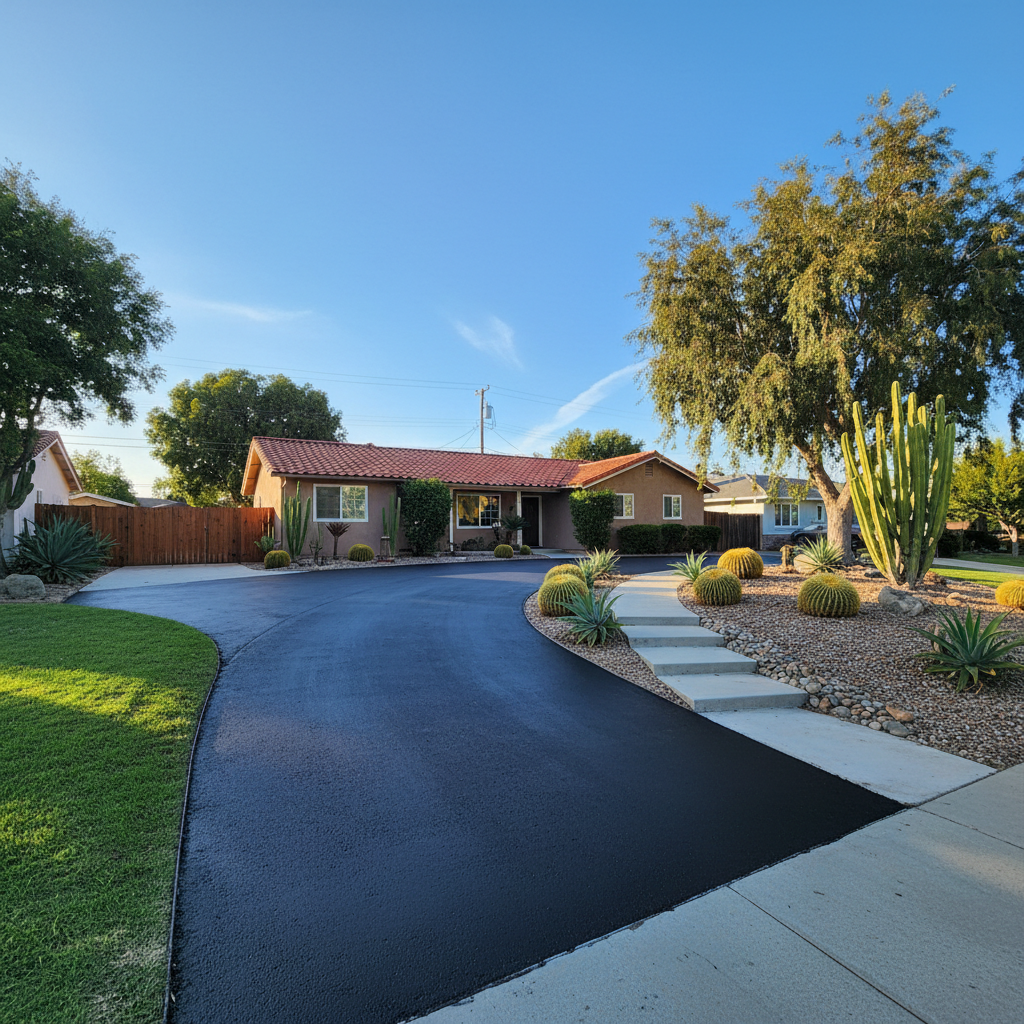
You've got an asphalt driveway, right? And you know sealcoating is super important for keeping it looking sharp and lasting a long time. But when's the *best* time to actually do it here in La Mesa? It's not just about slapping some sealer down; our local weather really dictates how well that stuff cures and ultimately protects your investment.
Why Timing Your Sealcoat Matters in La Mesa
Sealcoating isn't just about making things look good; it's a critical protective layer. It shields your asphalt from nasty UV rays, keeps water from seeping in, and even fends off chemicals. If you put it on at the wrong time, it just won't cure properly, and honestly, you'll have just thrown your money away. Here in La Mesa, we don't deal with the brutal winters you find in other parts of the country, but our intense summer sun and those occasional heavy rains mean you really have to be smart about when you schedule the work.
I've seen it happen: people try to rush things in late fall or early spring, only for a sudden cold snap or an unexpected downpour to completely ruin the job. It's frustrating for everyone involved, and it just means more cost and hassle for you. That's why I always tell my clients, planning ahead is half the battle.
The Best Time to Sealcoat Your Driveway
Generally speaking, the sweet spot for sealcoating in La Mesa runs from late spring right through early fall. Think April, May, June, and then September and October. What are we really looking for? Consistent temperatures and dry conditions, plain and simple. The ideal temperature for putting down asphalt sealer is usually somewhere between 50°F and 90°F, and that temperature needs to hold steady for at least 24 to 48 hours after we apply it, so it can cure correctly.
- Late Spring (April-June): This is often prime time, in my opinion. The days are getting longer, the sun's out, but it’s not usually scorching hot yet. Nighttime temperatures are reliably above that 50°F mark, which is absolutely crucial for the sealer to set up right. You're also less likely to run into those unexpected rainstorms that can easily wash away uncured sealer.
- Early Fall (September-October): Another excellent window. The brutal summer heat has usually backed off by then, but we're still getting plenty of warm, dry days. This gives the sealer a good, long time to cure before any cooler, wetter weather might decide to roll in.
What you really want to avoid is the peak of summer. While it's certainly hot, that extreme heat can sometimes make the sealer dry too quickly on the surface. This can trap moisture underneath, which then leads to premature cracking or flaking down the road. Plus, trying to work in 95-degree heat isn't fun for anyone, and it can definitely affect the quality of the application.
Weather Conditions: Your Sealcoat's Best Friend (or Worst Enemy)
Beyond just the season, you really need to pay close attention to the immediate forecast. This is where a good contractor, like us at La Mesa Diamond Asphalt, really shines because we're constantly checking the weather models.
- Dry, Dry, Dry: This is non-negotiable. You need at least 24 hours of dry weather *before* application, and ideally another 24 to 48 hours of dry weather *after*. Any moisture on the asphalt surface can stop the sealer from sticking properly. Rain within the curing window will dilute or just wash away the sealer, leaving you with a patchy, ineffective job.
- Temperature Consistency: Like I mentioned, 50°F to 90°F is the range we aim for. Don't just look at the daytime high; make sure to check the overnight low too. If it dips below 50°F, the curing process slows down a lot, or even stops completely.
- Wind: A little breeze is actually fine; it helps things dry. But strong winds can cause real problems. They can blow dust and debris onto the wet sealer, embedding it right into your fresh coat. They can also make the sealer dry too quickly in certain spots, leading to an uneven finish.
- Humidity: High humidity can extend drying and curing times. While La Mesa isn't exactly known for super high humidity, it's something to think about, especially if we get those muggy days after a marine layer pushes through.
I've seen driveways in places like the Mount Helix area, which can get a bit more sun exposure than down in the valley, really benefit from careful timing. That extra sun can be great for curing, but it also means you need to be extra vigilant about applying it during the cooler parts of the day if you're working in the middle of summer.
Year-Round Protection for Your Investment
Sealcoating isn't a one-and-done kind of deal. It's actually part of an ongoing maintenance plan. Most residential driveways need sealcoating every 2-3 years, depending on how much traffic they see, sun exposure, and how well the last coat held up. Here's how to protect your investment year-round:
- Keep it Clean: Sweep off dirt, leaves, and debris regularly. Don't let oil or gas spills just sit there; clean them up immediately with an appropriate cleaner. These can really break down both the asphalt and the sealer.
- Address Cracks Promptly: Even with sealcoating, small cracks can still form. Don't wait for them to turn into potholes. Fill them with a quality crack filler as soon as you notice them. This prevents water from getting underneath your asphalt and causing much bigger problems.
- Avoid Heavy Loads: Try not to park heavy RVs or construction equipment on your residential driveway for extended periods. The sheer weight can cause indentations or cracking, especially in older asphalt.
- Mind Your Edges: The edges of your driveway are often the most vulnerable spots. Keep them clear of vegetation that can grow right through the asphalt, and try to avoid driving off the edge.
By understanding our local climate and being smart about when you schedule your sealcoating, you'll extend the life of your driveway significantly. It's all about protecting your home's curb appeal and avoiding costly repairs later on. Give us a call at La Mesa Diamond Asphalt when you're ready to get your driveway looking its best.