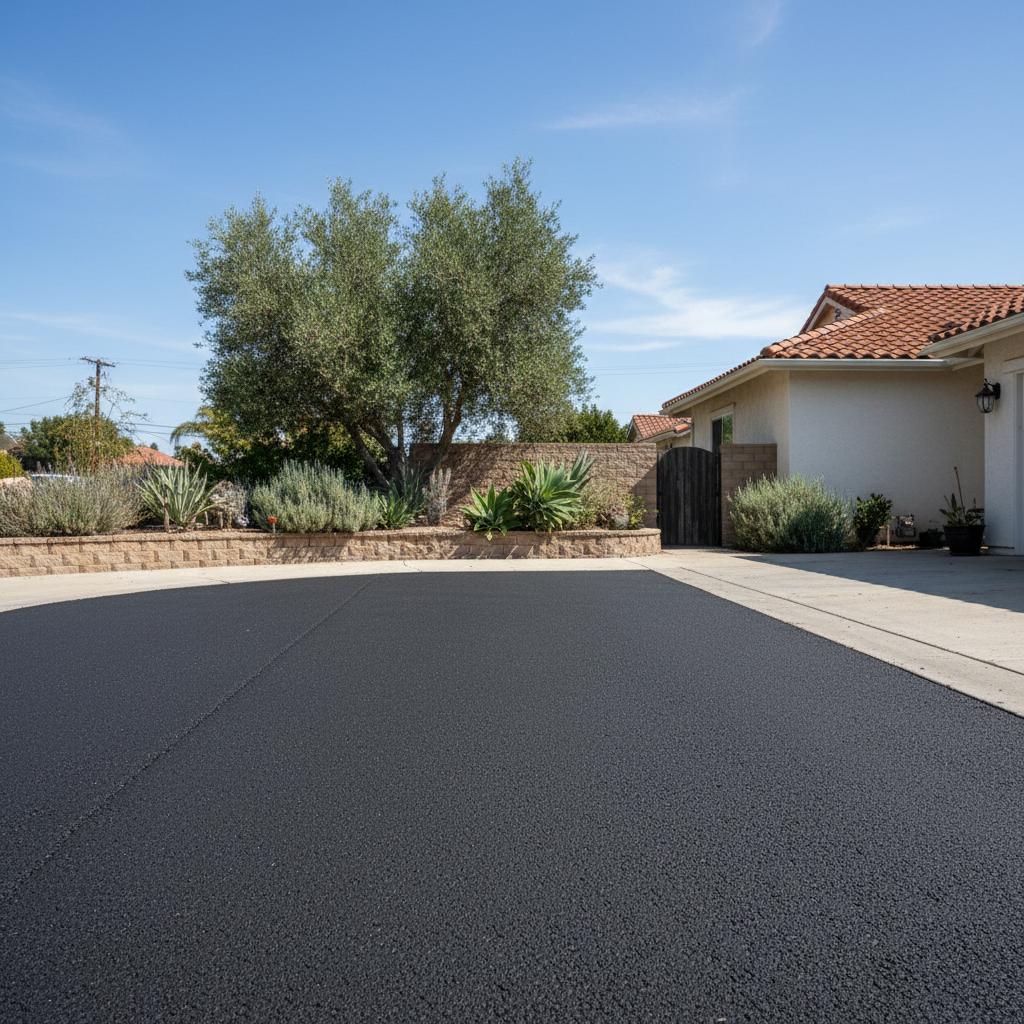
You've got a fresh asphalt patch, maybe it's on your driveway, a parking lot, or a private road. You shelled out good money to fix that pothole or cracked section. Now, you want to make sure that investment actually holds up, right? Of course you do. I've been doing this for a long time here in La Mesa, and I've seen good patches fail too soon because folks didn't know how to look after them. It's not rocket science, but there are definitely a few things you need to know.
Extending the Life of Your Asphalt Patch
First off, give that patch some time to cure. We're talking about asphalt, not instant concrete. Depending on the mix and the weather, it can take a few days, sometimes even a week or two, for it to fully harden. Try to keep heavy vehicles off it during this initial period. If you absolutely can't, at least avoid sharp turns or sudden stops on the new patch. That's just asking for trouble.
Once it's cured, the biggest thing you can do to extend its life is keep it sealed. Think of sealcoating like sunscreen for your asphalt. Our La Mesa sun, especially those hot summer days, beats down hard. UV rays and oxidation are asphalt's worst enemies. A good sealcoat every 2-3 years, sometimes even sooner for high-traffic areas, will protect that patch and the surrounding pavement. It prevents water penetration, which is crucial here, especially with our occasional heavy winter rains that can really undermine a surface if water gets underneath.
Another big one is drainage. Make sure water isn't pooling on or around the patch. If water sits, it'll eventually work its way into the sub-base, and then you've got bigger problems than just a patch. We're talking about the kind of issues that lead to alligator cracking and eventual pavement failure, especially with our clay-heavy soils in areas like Mount Helix, which can swell and shrink with moisture changes.
Regular Maintenance: What You Should Be Doing
Regular maintenance for an asphalt patch isn't much different from maintaining your whole asphalt surface, but it's even more critical for the patched area because it's often a point of vulnerability. Here's what I tell my customers:
- Keep it Clean: Sweep off dirt, leaves, and debris regularly. Organic matter holds moisture, and moisture is the enemy.
- Address Spills Immediately: Oil, gas, and other chemicals will break down the asphalt binder. If you see a spill, clean it up with an absorbent material like cat litter or sand, then scrub with a mild detergent and rinse. Don't let it sit.
- Check for Weeds: Weeds and grass can grow through cracks, even small ones, and once they get established, their roots will expand those cracks. Pull them out or use a weed killer designed for paved surfaces.
- Inspect Regularly: Walk your property, especially after a heavy rain or a period of extreme heat. Look for anything that seems off.
Warning Signs of Problems
You've got to be proactive. Catching small issues before they become big ones saves you money and headaches. Here are the red flags I teach people to look for:
- New Cracks Around the Patch: If you see new cracks forming right at the edges of your patch, or radiating out from it, that's a sign the patch isn't bonding well with the surrounding pavement, or there's movement underneath.
- Depressions or Sinking: A patch should be level with the surrounding surface. If it starts to sink or create a dip, it means the base material underneath isn't stable.
- Raveling: This is when the aggregate (the small stones) starts to come loose from the asphalt binder. It looks like the surface is eroding away.
- Potholes Reforming: If the original pothole or a new one appears within or very close to the patched area, it's a clear sign the repair didn't hold, or there's an underlying issue that wasn't fully addressed.
- Water Pooling: As I mentioned, water pooling is always a bad sign. If it's pooling specifically on or around the patch, that's a problem.
When to Call a Professional
Look, you can do a lot of the preventative stuff yourself, but some jobs are just too big or too complex. You should definitely call a pro like us at La Mesa Diamond Asphalt when:
- You see any of those warning signs I just talked about, especially if they're widespread or getting worse quickly.
- You've got significant cracking that's more than just a few hairline fractures.
- There's extensive raveling or potholes reforming.
- You notice significant drainage issues that are causing water to sit.
- Your entire asphalt surface, including the patches, is looking faded, brittle, or just generally worn out and you haven't sealcoated in a while.
- You're not sure what you're looking at, but it just doesn't seem right. It's always better to get an expert opinion early than wait until you've got a full-blown pavement failure on your hands.
Taking care of your asphalt patches isn't just about protecting the repair itself; it's about protecting your entire paved surface. A little attention goes a long way in keeping your property safe, functional, and looking good.